
What Are Craft Cocktails and What Makes Them Different?

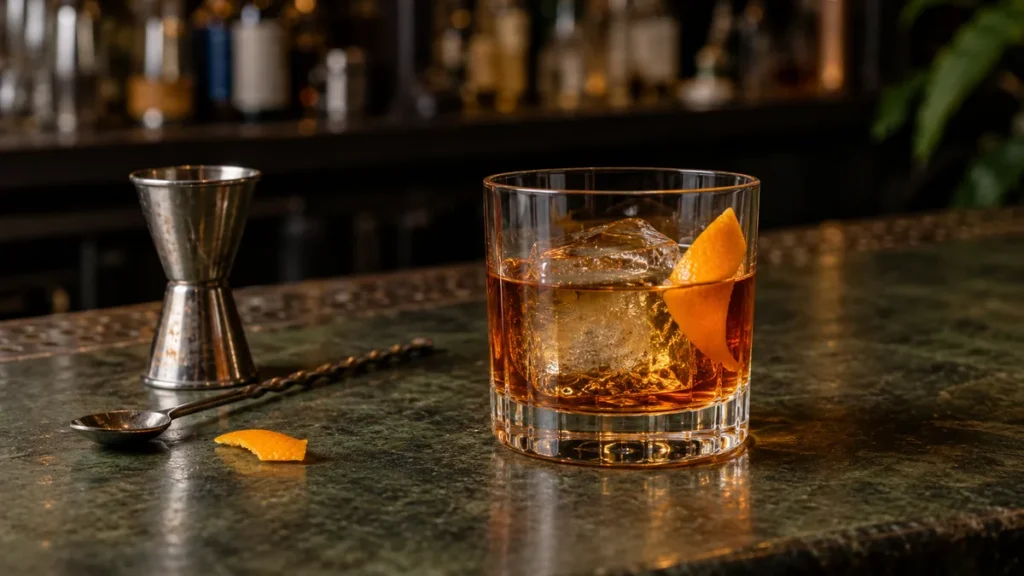
A craft cocktail is a drink built with deliberate technique, quality ingredients, and a point of view, rather than assembled from a mixer gun and a sour mix. The word “craft” signals intent at every step: fresh juices, house-made syrups or infusions, premium or carefully chosen spirits, precise measurements, and a finished drink that’s balanced and served properly. At PROWL, our jungle-inspired Las Vegas bar pairs tropical creativity with decades of craft cocktail experience, helping you find combinations that suit your taste.
Key Takeaways
- Fresh citrus, herbs, and purposeful sweeteners create distinct flavors.
- Measured pours help balance sweetness, acidity, bitterness, and alcohol.
- Shaking, stirring, and ice influence texture, temperature, and dilution.
- Higher prices and elaborate garnishes do not automatically indicate quality.
- Our daily Pisco Punch gives curious drinkers an approachable starting point.
| Detail | Craft Approach | Basic Mixed Drink |
|---|---|---|
| Ingredients | Selected spirits, citrus, herbs, syrups | Spirit and ready-made mixer |
| Preparation | Measured recipe and deliberate technique | Simple assembly |
| Texture | Controlled shaking, stirring, or carbonation | Mostly shaped by mixer |
| Garnish | Supports aroma or flavor | Usually a finishing touch |
What Does Craft Cocktail Mean?
A craft cocktail is a mixed drink made with carefully chosen spirits, fresh ingredients, and precise preparation. The goal is a thoughtful, detailed, well-balanced drink.
A bartender measures each juice and syrup separately instead of pouring from a bottled mix. That gives you control over sweetness and acidity, the sharp, sour taste in citrus drinks.
According to Swiss Hotel Management School, the right ingredient is the one that suits the recipe, not necessarily the most expensive. The same care extends to serving, with citrus peel adding aromatic oils and chilled glassware keeping the drink cold.
How Do Craft Cocktails Compare With Standard Mixed Drinks?
Craft cocktails build flavor through individually measured ingredients, while standard mixed drinks usually pair a spirit with a ready-made mixer.
In a whiskey sour made with fresh lemon and syrup, the bartender controls acidity and sweetness separately. Shaking with ice chills the drink, adds dilution, and creates a lightly aerated texture.
A whiskey and cola gets its sweetness, acidity, and carbonation from the cola. Preparation is simpler because the bartender mainly adjusts the proportion of whiskey to mixer.
Both can taste good. The practical difference is how much control the recipe gives the bartender over each part of the finished drink.
Which Ingredients Shape the Flavor in Your Glass?
Citrus, spirits, sweeteners, and bitters shape flavor by contributing acidity, aroma, body, sweetness, and bitterness.
Fresh lemon tastes different from grapefruit, while mint contributes a cooling aroma and ginger brings heat. House-made syrups let bartenders develop fruit or spice flavors while controlling sugar concentration.
Bourbon can contribute vanilla and oak; rye can bring peppery notes; mezcal can introduce smoke. Small-batch production alone does not make a spirit the right match.
Liqueurs add sweetness alongside concentrated flavors. Amari contribute herbal bitterness, while bitters season a recipe in small quantities. Good craft cocktails connect these elements without letting one overwhelm everything else.
A citrus peel can add aromatic oils, while mint brings fragrance toward your nose. A useful garnish complements the drink instead of simply decorating it.
Why Do Measurement, Technique, and Ice Matter?
Measurement balances the ingredients, mixing technique shapes the texture, and ice chills and dilutes the drink.
Bartenders use a jigger to measure each pour. A starting recipe for a sour combines two ounces of spirit with three-quarters of an ounce each of citrus juice and syrup. The bartender adjusts those proportions to account for the juice’s acidity and the syrup’s sweetness.
Shaking introduces air and creates a lighter texture in citrus drinks. Stirring keeps spirit-forward drinks smooth and clear without adding bubbles.
Ice contributes water as it melts, softening alcohol intensity and bringing flavors together. Large cubes generally melt more slowly than smaller pieces under comparable conditions, helping drinks served over ice retain their balance longer.
How Can You Order a Drink You Will Enjoy?
Tell your bartender your preferred spirit, flavor profile, and sweetness level. You do not need specialist vocabulary. “Bright and tart, with gin” gives useful direction. Mention dislikes and allergies before ordering. Try these starting points:
- Refreshing: Citrus, ginger, soda, or herbs.
- Tropical: Passion fruit, rum, lime, or spice.
- Spirit-Forward: Whiskey, aged rum, bitters, or vermouth.
- Bitter: Amaro, herbal liqueurs, or grapefruit.
- Savory: Pepper, salt, or vegetal notes.
Our jungle cocktails page lists ingredient combinations, helping you look beyond playful names. Ask about an unfamiliar ingredient rather than assuming how it tastes.
What Should You Check Before Visiting a Cocktail Bar?
Start with what sounds good to you. Fresh lime and ginger point toward something bright and spicy, while aged rum and bitters suggest a richer drink.
Browse our current menu for ingredients you enjoy, and ask the bartender about anything unfamiliar. You do not need to know every bottle behind the bar to order well.
Think about the setting, too. A quiet catch-up calls for a different room than a lively group night. If you’re making an evening of the neighborhood, our Arts District bars guide can help you choose your next stop.
What Are Common Questions About Craft Cocktails?
Common questions concern their definition, alcohol strength, sweetness, classic recipes, and spirit prices.
What Is a Craft Cocktail?
A craft cocktail is a mixed drink made with carefully selected ingredients, measured pours, and deliberate preparation. Fresh citrus, house-made syrups, and thoughtful mixing techniques help create a balanced flavor.
What Is the Difference Between a Craft Cocktail and a Regular Cocktail?
The difference is the attention given to ingredients and preparation. A craft approach emphasizes deliberate proportions, flavor balance, and technique. A regular cocktail may use simpler preparation, although it can still be well made.
What Are Examples of Craft Cocktails?
Examples include a Daiquiri made with fresh lime, a carefully stirred Old Fashioned, and a Margarita with fresh citrus. Original house drinks can also qualify. The preparation matters more than the recipe’s name.
Are Craft Cocktails Stronger Than Regular Cocktails?
No. Strength depends on the amount and alcohol content of the ingredients, plus dilution. A craft cocktail can be lighter or stronger than another mixed drink, so ask your bartender if you prefer less alcohol.
Why Are Craft Cocktails More Expensive?
Fresh ingredients, preparation time, specialty spirits, and house-made components can increase costs. Location and service also influence pricing. A higher price alone does not guarantee better flavor or preparation.
Your next favorite might be waiting behind the bar at PROWL. Tell us what you like, and we will build a drink around it. Come by the Las Vegas Arts District for tropical pours and good company. Stop in tonight and find yours.
Cheers from the jungle!